 By
By
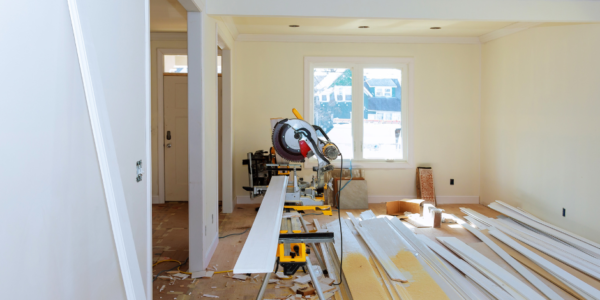
Office renovations can be exciting, but old carpet, drywall, ceiling tiles, desks, cabinets, wiring, packaging, and other materials can build up quickly.
For property managers, office renovation waste management means planning ahead and keeping debris under control from demolition through final cleanup. The EPA says that the U.S. creates about 600 million tons of construction and demolition debris each year, including renovation waste. More than 455 million tons are reused, while slightly less than 145 million tons are buried in landfills.
For more than 60 years, Eastern Waste has been helping companies in Rhode Island and Southern Massachusetts manage their commercial waste. Our team lives and works where we serve, so we understand the realities of what property managers face when renovations are happening.
Plan Your Waste Management Before Work Begins
Before you start, walk the project with your contractor and find out what will be removed. Are you installing carpet? Tearing down walls? Removing old cabinets or ceiling tiles? Cleaning furniture? Electrical or tech upgrades?
Make a simple list of the materials you expect to be coming off the project, and take a stab at how much space you will need.
This will give you a better idea of what kind of container you need, where it needs to be located, and how often it may need to be serviced.
It provides your contractor a good place to store materials rather than having debris accumulate throughout the property.
Know What Your Renovation Is Actually Generating
Office renovation waste can look very different from one project to another.
Common materials may include:
- Drywall and ceiling materials
- Carpet and flooring
- Wood and cabinetry
- Metal framing and fixtures
- Glass
- Cardboard and packaging
- Office furniture
- Electrical and other building materials
Some materials may be recyclable, reusable, or appropriate for other recovery options. Others will have to be disposed of through the proper waste stream.
The EPA notes that C&D materials can include wood, drywall, metals, glass, plastics, concrete, and salvaged building components, such as doors and windows.
Knowing what is coming out of the building helps you avoid treating everything as one big pile of trash.
Make Separation Part of the Renovation Plan
Separate materials at source where practical. Prior to demolition, keep cardboard flat together, metals separate, and identify furniture or fixtures that can be reused.
Clear separation also makes it easier on contractors and cleanup crews. Materials can be routed into the correct stream as they come off, rather than having to deal with a mixed pile later.
This is an important part of commercial renovation waste management because every renovation has its own mix of materials.
Choose the Right Container and Pickup Schedule
A container that’s too small can result in overflow and extra cleanup, while one that’s too large can take up valuable space unnecessarily.
Consider the size and pace of your renovation when scheduling your waste service. A small office refresh may generate debris over time; a large demolition can generate a large amount in a few days.
Eastern Waste provides 10- to 30-cubic-yard roll-off dumpsters, allowing property managers to select the right size for the project. Each container also has a walk-in door for easier loading of heavier materials without having to lift them over the side.
Keep Renovation Debris From Becoming a Building Problem
Failure to remove debris on a regular basis can lead to problems in hallways, loading areas, elevators, parking lots, and common areas. This is especially important in commercial buildings where other tenants may still be working during the renovation.
Keep pathways clear and establish a designated area for materials waiting for removal.
If possible, coordinate debris removal with the renovation schedule so waste doesn’t sit around longer than necessary.
This makes the property safer, cleaner, and easier for everyone to navigate while the work is underway.
Look for Opportunities to Reuse and Recycle
Before you throw something away, ask if it can be reused, donated, recycled, or reclaimed. Desks, chairs, cabinets, doors, metal fixtures, and other items can still have value depending upon the condition.
The same applies to renovation materials. Metals, wood, cardboard, and certain other materials may have recycling or recovery options.
The EPA says reuse and recycling are some of the ways to divert C&D materials from disposal, while conserving resources and possibly lowering project costs.
Even recovering a portion of the materials from a renovation can make the overall waste plan more efficient.
Don’t Forget About Office Furniture and E-Waste
A new layout may mean old desks, chairs, filing cabinets, computers, monitors, printers, and other equipment are no longer needed.
These items shouldn’t automatically be placed in a construction debris container.
Create a separate plan for furniture and electronic equipment before the renovation starts. Some items may be donated or reused, while electronics may require specialized recycling or disposal.
This is especially important for property managers with more than one tenant. Clear instructions can mean that useful equipment is not thrown away just because no one knew what to do with it.
Building a Plan That Actually Works
The earlier you plan, the easier it is to keep renovation waste under control. A few practical steps can make a noticeable difference:
- Walk through the project before demolition begins. Know what is being taken away so you have a better idea of the materials and volume involved.
- Separate materials at the source. Set aside materials such as metal, wood, cardboard, or reusable items whenever practical instead of mixing everything.
- Handle electronics separately. Computers, monitors, printers, and other equipment should not automatically go into a construction debris container. Electronics may require separate recycling or disposal.
- Size your dumpster to the project. A smaller office renovation may need a 10- or 15-yard container, while larger projects may require a 20- or 30-yard roll-off.
- Plan removal around the work. Keeping debris from sitting on-site for too long helps maintain clear access and keeps shared areas more manageable.
- Protect shared building areas. When debris is being moved through elevators, hallways, or loading areas, take steps to protect the property and keep pathways clear.
These simple steps can help property managers avoid clutter and keep the renovation moving.
Property managers often have many groups involved in a renovation at once: building owners, tenants, contractors, maintenance staff, cleaning crews, and waste providers.
Everyone should know the basic waste plan. A few clear instructions before work begins can prevent a lot of confusion later.
Staying Compliant Along the Way
Property managers and contractors need to know what is being removed and how it needs to be handled, as some materials may have specific handling or disposal requirements.
Diversion data is appearing more and more in ESG reporting and green building certifications, so a well-documented waste plan does double duty, protecting your compliance and supporting your property’s sustainability profile.
Let’s Get Your Renovation Moving with Eastern Waste
Eastern Waste can help property managers all over Rhode Island and Southern Massachusetts put that plan together, with equipment and scheduling that actually fit the project.
Ready to plan for your renovation debris removal? Fill out our online inquiry form and a Customer Service Representative will contact you as soon as possible. If you have a time-sensitive scheduling need, please call our office directly.
Frequently Asked Questions
Q: What is office renovation waste management?
A: It is the process of planning, sorting, and removing waste generated during commercial renovations such as drywall, flooring, metal framing, old furniture, and packaging in compliance with regulations and with a focus on recycling as much as possible.
Q: What size dumpster do I need for an office renovation?
A: It depends on scope. A single office suite renovation often works with a 15-yard container, while a full-floor or multi-suite renovation typically needs a 20- to 30-yard roll-off, sometimes staged in multiple pickups across the project timeline.
Q: How should old electronics and IT equipment be handled during a renovation?
A: Electronics should be separated from normal construction debris and data properly destroyed if sensitive info was held, before going to a certified electronics recycler rather than the regular waste stream.
Q: Why does waste segregation matter during a commercial renovation?
A: Separating materials such as metal, wood, and drywall at the source can increase recycling rates, often reduce disposal costs, and help property managers document diversion data that is increasingly important to ESG and sustainability reporting.
Q: Does Eastern Waste offer flexible scheduling for renovation projects?
A: Yes, Eastern Waste builds custom pickup schedules around the actual timeline of your renovation, and makes adjustments as your project progresses through demolition, buildout, and move-in.