
Categories Commercial

Renovating an Office? Waste Management Guide Property Managers Need


Office renovations can be exciting, but old carpet, drywall, ceiling tiles, desks, cabinets, wiring, packaging, and other materials can build up quickly. 


For property managers, office renovation waste management means planning ahead and keeping debris under control from demolition through final cleanup. The EPA says that the U.S. creates about 600 million tons of construction and demolition debris each year, including renovation waste. More than 455 million tons are reused, while slightly less than 145 million tons are buried in landfills.


For more than 60 years, Eastern Waste has been helping companies in Rhode Island and Southern Massachusetts manage their commercial waste. Our team lives and works where we serve, so we understand the realities of what property managers face when renovations are happening.


Plan Your Waste Management Before Work Begins


Before you start, walk the project with your contractor and find out what will be removed. Are you installing carpet? Tearing down walls? Removing old cabinets or ceiling tiles? Cleaning furniture? Electrical or tech upgrades?


Make a simple list of the materials you expect to be coming off the project, and take a stab at how much space you will need.


This will give you a better idea of what kind of container you need, where it needs to be located, and how often it may need to be serviced.


It provides your contractor a good place to store materials rather than having debris accumulate throughout the property.


Know What Your Renovation Is Actually Generating


Office renovation waste can look very different from one project to another.


Common materials may include:


  • Drywall and ceiling materials


  • Carpet and flooring


  • Wood and cabinetry


  • Metal framing and fixtures


  • Glass


  • Cardboard and packaging


  • Office furniture


  • Electrical and other building materials


Some materials may be recyclable, reusable, or appropriate for other recovery options. Others will have to be disposed of through the proper waste stream.


The EPA notes that C&D materials can include wood, drywall, metals, glass, plastics, concrete, and salvaged building components, such as doors and windows.


Knowing what is coming out of the building helps you avoid treating everything as one big pile of trash.


Make Separation Part of the Renovation Plan


Separate materials at source where practical. Prior to demolition, keep cardboard flat together, metals separate, and identify furniture or fixtures that can be reused.


Clear separation also makes it easier on contractors and cleanup crews. Materials can be routed into the correct stream as they come off, rather than having to deal with a mixed pile later.


This is an important part of commercial renovation waste management because every renovation has its own mix of materials.


Choose the Right Container and Pickup Schedule


A container that’s too small can result in overflow and extra cleanup, while one that’s too large can take up valuable space unnecessarily.


Consider the size and pace of your renovation when scheduling your waste service. A small office refresh may generate debris over time; a large demolition can generate a large amount in a few days.


Eastern Waste provides 10- to 30-cubic-yard roll-off dumpsters, allowing property managers to select the right size for the project. Each container also has a walk-in door for easier loading of heavier materials without having to lift them over the side.


Keep Renovation Debris From Becoming a Building Problem


Failure to remove debris on a regular basis can lead to problems in hallways, loading areas, elevators, parking lots, and common areas. This is especially important in commercial buildings where other tenants may still be working during the renovation.


Keep pathways clear and establish a designated area for materials waiting for removal.


If possible, coordinate debris removal with the renovation schedule so waste doesn't sit around longer than necessary.


This makes the property safer, cleaner, and easier for everyone to navigate while the work is underway.


Look for Opportunities to Reuse and Recycle


Before you throw something away, ask if it can be reused, donated, recycled, or reclaimed. Desks, chairs, cabinets, doors, metal fixtures, and other items can still have value depending upon the condition.


The same applies to renovation materials. Metals, wood, cardboard, and certain other materials may have recycling or recovery options.


The EPA says reuse and recycling are some of the ways to divert C&D materials from disposal, while conserving resources and possibly lowering project costs.


Even recovering a portion of the materials from a renovation can make the overall waste plan more efficient.


Don't Forget About Office Furniture and E-Waste


A new layout may mean old desks, chairs, filing cabinets, computers, monitors, printers, and other equipment are no longer needed.


These items shouldn't automatically be placed in a construction debris container.


Create a separate plan for furniture and electronic equipment before the renovation starts. Some items may be donated or reused, while electronics may require specialized recycling or disposal.


This is especially important for property managers with more than one tenant. Clear instructions can mean that useful equipment is not thrown away just because no one knew what to do with it.


Building a Plan That Actually Works


The earlier you plan, the easier it is to keep renovation waste under control. A few practical steps can make a noticeable difference:


  • Walk through the project before demolition begins. Know what is being taken away so you have a better idea of the materials and volume involved.


  • Separate materials at the source. Set aside materials such as metal, wood, cardboard, or reusable items whenever practical instead of mixing everything.


  • Handle electronics separately. Computers, monitors, printers, and other equipment should not automatically go into a construction debris container. Electronics may require separate recycling or disposal.


  • Size your dumpster to the project. A smaller office renovation may need a 10- or 15-yard container, while larger projects may require a 20- or 30-yard roll-off.


  • Plan removal around the work. Keeping debris from sitting on-site for too long helps maintain clear access and keeps shared areas more manageable.


  • Protect shared building areas. When debris is being moved through elevators, hallways, or loading areas, take steps to protect the property and keep pathways clear.


These simple steps can help property managers avoid clutter and keep the renovation moving.


Property managers often have many groups involved in a renovation at once: building owners, tenants, contractors, maintenance staff, cleaning crews, and waste providers.


Everyone should know the basic waste plan. A few clear instructions before work begins can prevent a lot of confusion later.


Staying Compliant Along the Way


Property managers and contractors need to know what is being removed and how it needs to be handled, as some materials may have specific handling or disposal requirements.


Diversion data is appearing more and more in ESG reporting and green building certifications, so a well-documented waste plan does double duty, protecting your compliance and supporting your property’s sustainability profile.


Let's Get Your Renovation Moving with Eastern Waste


Eastern Waste can help property managers all over Rhode Island and Southern Massachusetts put that plan together, with equipment and scheduling that actually fit the project.


Ready to plan for your renovation debris removal? Fill out our online inquiry form and a Customer Service Representative will contact you as soon as possible. If you have a time-sensitive scheduling need, please call our office directly.


Frequently Asked Questions


Q: What is office renovation waste management?
A: It is the process of planning, sorting, and removing waste generated during commercial renovations such as drywall, flooring, metal framing, old furniture, and packaging in compliance with regulations and with a focus on recycling as much as possible.


Q: What size dumpster do I need for an office renovation?
A: It depends on scope. A single office suite renovation often works with a 15-yard container, while a full-floor or multi-suite renovation typically needs a 20- to 30-yard roll-off, sometimes staged in multiple pickups across the project timeline.


Q: How should old electronics and IT equipment be handled during a renovation?
A: Electronics should be separated from normal construction debris and data properly destroyed if sensitive info was held, before going to a certified electronics recycler rather than the regular waste stream.


Q: Why does waste segregation matter during a commercial renovation?
A: Separating materials such as metal, wood, and drywall at the source can increase recycling rates, often reduce disposal costs, and help property managers document diversion data that is increasingly important to ESG and sustainability reporting.


Q: Does Eastern Waste offer flexible scheduling for renovation projects?
A: Yes, Eastern Waste builds custom pickup schedules around the actual timeline of your renovation, and makes adjustments as your project progresses through demolition, buildout, and move-in.


Categories Commercial

How to Improve Restaurant Waste Management: 7 Simple Steps


Step into a busy restaurant after the dinner rush and you’ll quickly witness how much waste can build up in one evening. Food scraps, empty boxes, bottles, takeout containers, and packaging can add up quickly. 


For restaurant owners and managers, good restaurant waste management is about keeping that waste under control and the kitchen and daily operation running smoothly.


According to a report published in 2026 and cited by Forbes, restaurant food waste costs the industry about $162 billion annually, with an estimated 17% of meals going uneaten. The good news is that we don’t have to change everything all at once to improve waste management. 


Eastern Waste has been serving restaurants and food service businesses throughout Rhode Island and Southern Massachusetts with commercial waste and recycling for over 60 years. We work and live in the communities we serve, so we understand the real-world challenges local companies face. 


Let’s look at a few simple ways to get your restaurant’s waste under control.


Start by Understanding Where Your Waste Comes From


Before you go about changing your waste habits, take a good look at what your restaurant is really throwing away. Waste is typically categorized into two buckets:


Pre-consumer waste — bad ingredients, over-prepped food, kitchen mistakes. This is usually 4% to 10% of total restaurant food waste, and largely preventable with better inventory habits.


Post-consumer waste — what customers leave behind. This is the bigger category and usually boils down to portion sizes and default menu items the customer didn't actively select, like an automatic side of fries that no one asked for.


Across most restaurant concepts, the same culprits show up again and again: starchy sides, bread baskets, garnishes, and condiments. Making these items opt-in instead of automatic is one of the simplest changes an operator can make.


Reduce Food Waste Before It Reaches the Dumpster


Start with your purchasing and inventory habits. If you order too much of an ingredient, it may spoil before you have a chance to use it. Your restaurant needs to buy enough inventory for what it truly needs, and sales trends and seasonal demand are guidelines.


A few simple practices can help:


  • Use the first-in, first-out method for ingredients.


  • Label and date stored food.


  • Review slow-moving ingredients regularly.


  • Adjust preparation quantities based on demand.


  • Look for ways to use more of each ingredient.


  • Review portion sizes when appropriate.


Tracking waste can also highlight issues you may not notice during a busy shift. Restaurants can achieve significant savings on food costs by measuring and acting on food waste, ReFED says, and suggests that waste tracking is a helpful operational tool, not just a sustainability exercise.


Make Recycling Part of the Routine


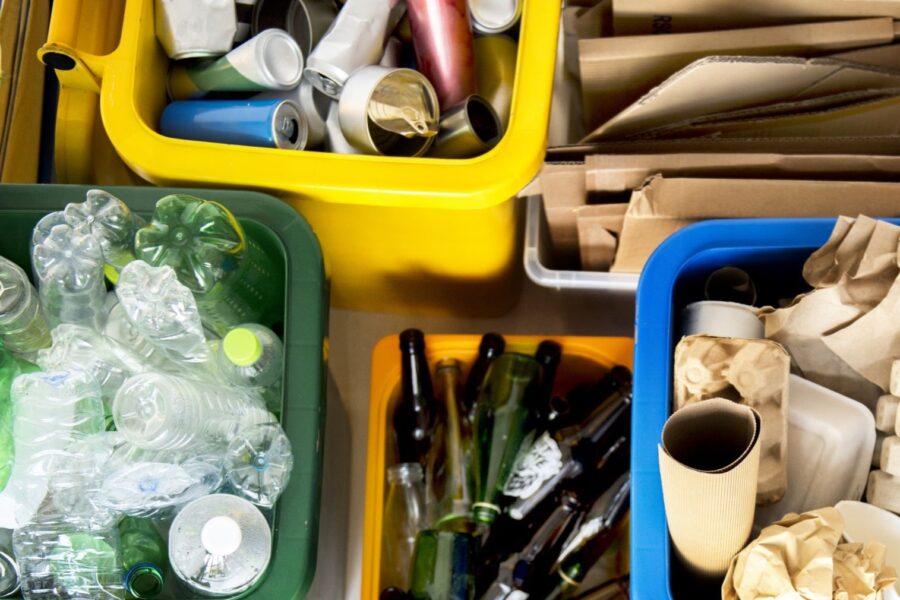
Cardboard boxes, cans, bottles, paper, and certain plastics can also add up quickly.


To make recycling easier, put out clearly labeled containers where waste is generated, such as the kitchen, bar, prep area, and receiving area. When employees can easily see where each material belongs, they’re more likely to follow the process in a busy shift.


Just make sure your recycling setup matches the materials accepted by your local recycling service.


Keep Your Dumpster Area Organized


The dumpster area should be accessible to employees, able to accommodate your regular amount of trash, and free of any extra clutter.


Observe how fast your dumpster fills. If you’re always running out of room before the next pickup, then you may need to adjust your container size or service frequency. If it’s always half empty, you may have more capacity than you need.


The goal is simple: a waste setup that matches how your restaurant actually operates.


Consider Composting When It Makes Sense


For restaurants that produce a lot of food scraps, another way to keep organic material out of the regular waste stream is composting.


Depending on the services and facilities available in your area, there may be options for composting vegetable trimmings, food scraps, and other eligible materials. If you decide to start a program, keep it simple. Train employees on what should be in the containers and use clearly marked containers.


Don't Forget About Packaging and Takeout Waste


Restaurant waste has changed as takeout and delivery have become a bigger part of the industry.


Containers, cups, bags, utensils, napkins, and packaging all add up quickly. Where possible, restaurants can seek to reduce excess packaging and opt for recyclable or compostable options that are compatible with their local waste and recycling systems.


You can also reduce waste by being more intentional about automatically providing items customers may not need.


For example, if customers can choose whether they want utensils, napkins, sauces, or other extras, you may be able to reduce the amount of unused material that gets thrown away.


Small changes repeated hundreds of times can add up.


Train Your Team and Keep the Process Simple


Your team needs a clear, consistent process.


Make sure employees know:


  • What belongs in each container


  • Where food scraps should go


  • What materials can be recycled


  • How to keep waste areas clean


  • Who to tell when a container is getting full


  • What to do with unusual or unexpected waste


A few minutes of training at onboarding and occasional reminders can help keep everyone on the same page.


It also helps to give employees a reason for the process. The system is easier to maintain when staff see how improved waste management can reduce clutter, eliminate unnecessary hauling, and keep operating costs down.


Practical Steps for Better Restaurant Waste Disposal


Once you've identified your biggest waste problems, focus on making disposal easier and more consistent.


Begin with a waste audit. Track what is discarded from receipt through service. Put it in categories – spoilage, overproduction, plate waste, prep waste – and you’ll start to see patterns quickly. Such tracking alone can cut food costs by 2 to 6 percent.


Make inventory control easier. Use FIFO (first-in, first-out) so that older stock is used before it spoils. Add to that accurate demand forecasting based on your actual sales data, especially during slower periods or around major local events.


Verify storage conditions. Cold storage must be kept at 41°F or below; freezers at 0°F or below. Proper labeling and date marking will keep your team from guessing.


Reevaluate portion sizes. This is one of the fastest trends in the industry right now. GLP-1 medications are expected to grow from 6- 8% of the population to10- 15% in the next few years, and diners are eating less and finishing less.


Make defaults opt-in by default! A simple staff prompt like “Would you like the side, or skip it?” cuts down on over-serving on every single transaction without changing your menu at all.


Donate what you can. The Bill Emerson Good Samaritan Food Donation Act provides immunity from liability for restaurants that donate safe excess food. Partnering with a local food donation organization is a great way to turn potential waste into real community impact.


Compost where it's available. By selecting other options for food scraps disposal in conjunction with a proper hauling plan, you can reduce the amount of trash going to landfills and contribute to reducing the total cost of garbage disposal at your restaurant.


Choose Waste Service That Fits Your Restaurant


Eastern Waste partners with businesses and communities across Rhode Island and Southern Massachusetts. We live and work in the communities we serve. That local knowledge is key, because every restaurant has different space constraints, waste volumes, schedules, and operating routines.


If your current waste facilities are not meeting the needs of your restaurant, contact Eastern Waste. A Customer Service Representative will call you as soon as possible to talk about your needs. If you have a waste removal problem that is time-sensitive, please call our team.


Frequently Asked Questions


Q: What is the biggest cause of food waste in restaurants?
A: Post-consumer waste (food left on the plate by customers) is usually the biggest category, often driven by oversized default portions and automatic add-ons like sides that customers didn’t actively choose.


Q: How much money can restaurants save by reducing food waste?
A: Industry research shows every $1 invested in food waste reduction can generate up to $8 in savings, and structured waste tracking alone can cut food costs by 2% to 6%.


Q: What is the difference between pre-consumer and post-consumer food waste?
A: Pre-consumer waste occurs in the kitchen before food is presented to a customer (spoilage, preparation mistakes, etc.) and generally contributes 4-10% of the total waste. Post-consumer waste is what's left on the plate after service and is generally the larger share.


Q: How can restaurants reduce food waste without hurting the customer experience?
A: Making high-waste items like sides opt-in instead of automatic, offering smaller portion options, and training staff to ask before adding extras all reduce waste without making customers feel shortchanged.


Q: Does Eastern Waste offer flexible pickup schedules for restaurants?
A: Yes, Eastern Waste offers custom commercial pickup schedules for restaurants and food service businesses from monthly to daily service, and compactor solutions for higher volume operations.


1 2 3 … 6