 By
By
Step into a busy restaurant after the dinner rush and you’ll quickly witness how much waste can build up in one evening. Food scraps, empty boxes, bottles, takeout containers, and packaging can add up quickly.
For restaurant owners and managers, good restaurant waste management is about keeping that waste under control and the kitchen and daily operation running smoothly.
According to a report published in 2026 and cited by Forbes, restaurant food waste costs the industry about $162 billion annually, with an estimated 17% of meals going uneaten. The good news is that we don’t have to change everything all at once to improve waste management.
Eastern Waste has been serving restaurants and food service businesses throughout Rhode Island and Southern Massachusetts with commercial waste and recycling for over 60 years. We work and live in the communities we serve, so we understand the real-world challenges local companies face.
Let’s look at a few simple ways to get your restaurant’s waste under control.
Start by Understanding Where Your Waste Comes From
Before you go about changing your waste habits, take a good look at what your restaurant is really throwing away. Waste is typically categorized into two buckets:
Pre-consumer waste — bad ingredients, over-prepped food, kitchen mistakes. This is usually 4% to 10% of total restaurant food waste, and largely preventable with better inventory habits.
Post-consumer waste — what customers leave behind. This is the bigger category and usually boils down to portion sizes and default menu items the customer didn’t actively select, like an automatic side of fries that no one asked for.
Across most restaurant concepts, the same culprits show up again and again: starchy sides, bread baskets, garnishes, and condiments. Making these items opt-in instead of automatic is one of the simplest changes an operator can make.
Reduce Food Waste Before It Reaches the Dumpster
Start with your purchasing and inventory habits. If you order too much of an ingredient, it may spoil before you have a chance to use it. Your restaurant needs to buy enough inventory for what it truly needs, and sales trends and seasonal demand are guidelines.
A few simple practices can help:
- Use the first-in, first-out method for ingredients.
- Label and date stored food.
- Review slow-moving ingredients regularly.
- Adjust preparation quantities based on demand.
- Look for ways to use more of each ingredient.
- Review portion sizes when appropriate.
Tracking waste can also highlight issues you may not notice during a busy shift. Restaurants can achieve significant savings on food costs by measuring and acting on food waste, ReFED says, and suggests that waste tracking is a helpful operational tool, not just a sustainability exercise.
Make Recycling Part of the Routine
Cardboard boxes, cans, bottles, paper, and certain plastics can also add up quickly.
To make recycling easier, put out clearly labeled containers where waste is generated, such as the kitchen, bar, prep area, and receiving area. When employees can easily see where each material belongs, they’re more likely to follow the process in a busy shift.
Just make sure your recycling setup matches the materials accepted by your local recycling service.
Keep Your Dumpster Area Organized
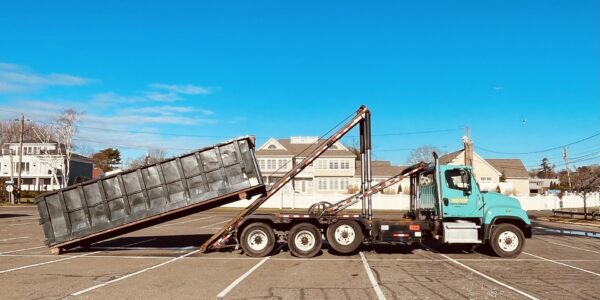
The dumpster area should be accessible to employees, able to accommodate your regular amount of trash, and free of any extra clutter.
Observe how fast your dumpster fills. If you’re always running out of room before the next pickup, then you may need to adjust your container size or service frequency. If it’s always half empty, you may have more capacity than you need.
The goal is simple: a waste setup that matches how your restaurant actually operates.
Consider Composting When It Makes Sense
For restaurants that produce a lot of food scraps, another way to keep organic material out of the regular waste stream is composting.
Depending on the services and facilities available in your area, there may be options for composting vegetable trimmings, food scraps, and other eligible materials. If you decide to start a program, keep it simple. Train employees on what should be in the containers and use clearly marked containers.
Don’t Forget About Packaging and Takeout Waste
Restaurant waste has changed as takeout and delivery have become a bigger part of the industry.
Containers, cups, bags, utensils, napkins, and packaging all add up quickly. Where possible, restaurants can seek to reduce excess packaging and opt for recyclable or compostable options that are compatible with their local waste and recycling systems.
You can also reduce waste by being more intentional about automatically providing items customers may not need.
For example, if customers can choose whether they want utensils, napkins, sauces, or other extras, you may be able to reduce the amount of unused material that gets thrown away.
Small changes repeated hundreds of times can add up.
Train Your Team and Keep the Process Simple
Your team needs a clear, consistent process.
Make sure employees know:
- What belongs in each container
- Where food scraps should go
- What materials can be recycled
- How to keep waste areas clean
- Who to tell when a container is getting full
- What to do with unusual or unexpected waste
A few minutes of training at onboarding and occasional reminders can help keep everyone on the same page.
It also helps to give employees a reason for the process. The system is easier to maintain when staff see how improved waste management can reduce clutter, eliminate unnecessary hauling, and keep operating costs down.
Practical Steps for Better Restaurant Waste Disposal
Once you’ve identified your biggest waste problems, focus on making disposal easier and more consistent.
Begin with a waste audit. Track what is discarded from receipt through service. Put it in categories – spoilage, overproduction, plate waste, prep waste – and you’ll start to see patterns quickly. Such tracking alone can cut food costs by 2 to 6 percent.
Make inventory control easier. Use FIFO (first-in, first-out) so that older stock is used before it spoils. Add to that accurate demand forecasting based on your actual sales data, especially during slower periods or around major local events.
Verify storage conditions. Cold storage must be kept at 41°F or below; freezers at 0°F or below. Proper labeling and date marking will keep your team from guessing.
Reevaluate portion sizes. This is one of the fastest trends in the industry right now. GLP-1 medications are expected to grow from 6- 8% of the population to10- 15% in the next few years, and diners are eating less and finishing less.
Make defaults opt-in by default! A simple staff prompt like “Would you like the side, or skip it?” cuts down on over-serving on every single transaction without changing your menu at all.
Donate what you can. The Bill Emerson Good Samaritan Food Donation Act provides immunity from liability for restaurants that donate safe excess food. Partnering with a local food donation organization is a great way to turn potential waste into real community impact.
Compost where it’s available. By selecting other options for food scraps disposal in conjunction with a proper hauling plan, you can reduce the amount of trash going to landfills and contribute to reducing the total cost of garbage disposal at your restaurant.
Choose Waste Service That Fits Your Restaurant
Eastern Waste partners with businesses and communities across Rhode Island and Southern Massachusetts. We live and work in the communities we serve. That local knowledge is key, because every restaurant has different space constraints, waste volumes, schedules, and operating routines.
If your current waste facilities are not meeting the needs of your restaurant, contact Eastern Waste. A Customer Service Representative will call you as soon as possible to talk about your needs. If you have a waste removal problem that is time-sensitive, please call our team.
Frequently Asked Questions
Q: What is the biggest cause of food waste in restaurants?
A: Post-consumer waste (food left on the plate by customers) is usually the biggest category, often driven by oversized default portions and automatic add-ons like sides that customers didn’t actively choose.
Q: How much money can restaurants save by reducing food waste?
A: Industry research shows every $1 invested in food waste reduction can generate up to $8 in savings, and structured waste tracking alone can cut food costs by 2% to 6%.
Q: What is the difference between pre-consumer and post-consumer food waste?
A: Pre-consumer waste occurs in the kitchen before food is presented to a customer (spoilage, preparation mistakes, etc.) and generally contributes 4-10% of the total waste. Post-consumer waste is what’s left on the plate after service and is generally the larger share.
Q: How can restaurants reduce food waste without hurting the customer experience?
A: Making high-waste items like sides opt-in instead of automatic, offering smaller portion options, and training staff to ask before adding extras all reduce waste without making customers feel shortchanged.
Q: Does Eastern Waste offer flexible pickup schedules for restaurants?
A: Yes, Eastern Waste offers custom commercial pickup schedules for restaurants and food service businesses from monthly to daily service, and compactor solutions for higher volume operations.